Blog

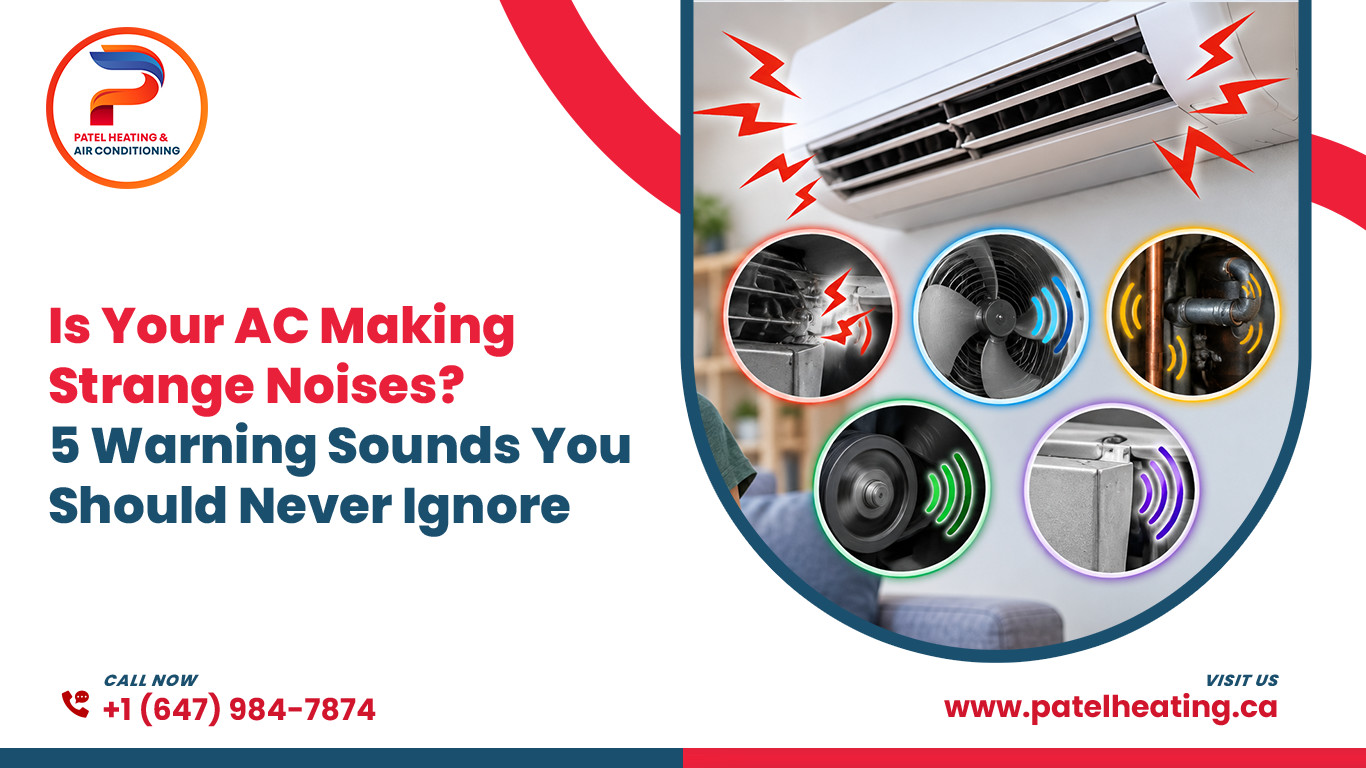
  • Is Your AC Making Strange Noises? 5 Warning Sounds You Should Never Ignore

    Is Your AC Making Strange Noises? 5 Warning Sounds You Should Never Ignore

    When your air conditioner turns on, you expect cool, quiet comfortโ€”not a loud bang, irritating buzz, high-pitched screech, or strange clicking sound.

    If your AC is making unusual noises, don’t ignore them.

    Strange sounds are often your air conditioner’s first warning that something may be wrong. A small mechanical or electrical issue can sometimes become a much more expensive repair if the system continues running.

    Whether you live in Vaughan, Woodbridge, Maple, Kleinburg, or surrounding GTA communities, knowing what different AC noises mean can help you recognize problems early.

    At Patel Heating & Air Conditioning, we provide professional air conditioning repair and HVAC services to help homeowners stay comfortable throughout the cooling season.

    Let’s take a closer look at the most common AC noisesโ€”and what your system may be trying to tell you.


    1. Banging or Clunking: Something May Be Loose

    A loud banging or clunking noise coming from your air conditioner should never be ignored.

    Possible causes include:

    • โ— A loose or damaged component
    • โ— A problem with the blower assembly
    • โ— Fan-related issues
    • โ— A mechanical problem inside the compressor
    • โ— A component that has become damaged or unbalanced

    If a loose component continues moving while the AC operates, it can potentially damage other parts of the system.

    What should you do?

    If the banging or clunking is loud, persistent, or suddenly appeared, it’s best to turn off the system and have it inspected by a qualified HVAC technician.

    Catching a small mechanical problem early may help prevent a much larger AC repair.


    2. Buzzing: Could It Be an Electrical Problem?

    A buzzing sound from your air conditioner can have several possible causes.

    In some cases, it may be related to:

    • โ— Loose electrical connections
    • โ— A failing capacitor
    • โ— A motor problem
    • โ— Electrical components
    • โ— A malfunctioning fan

    Because your AC contains electrical components, a persistent or unusual buzzing sound deserves attention.

    Why shouldn’t you ignore it?

    Electrical problems can affect system performance and may create safety concerns. If your AC suddenly starts buzzing loudly, especially if accompanied by burning smells, repeated breaker trips, or unusual operation, shut the system down and contact an HVAC professional.

    Don’t attempt electrical repairs yourself.


    3. Hissing or Whistling: Check for Airflow or Refrigerant Problems

    A hissing or whistling noise can be caused by air escaping through a restriction, opening, or leak.

    Depending on where the sound originates, possible causes can include:

    • โ— Air leaks in ductwork
    • โ— Restricted airflow
    • โ— Loose duct connections
    • โ— Refrigerant-related problems
    • โ— Pressure escaping from a component

    A refrigerant issue can reduce your AC’s cooling performance and efficiency.

    You may also notice other warning signs, such as:

    • โ— AC taking longer to cool your home
    • โ— Warm air from the vents
    • โ— Higher energy consumption
    • โ— Ice or frost around certain components
    • โ— The system running continuously

    If you suspect a refrigerant problem, professional diagnosis is important. Refrigerant systems should be handled by appropriately qualified HVAC professionals.


    4. Clicking: Normal at Startup or a Warning Sign?

    A single click when your air conditioner starts or stops can be normal.

    However, constant, repeated, or unusual clicking may indicate a problem.

    Potential causes include:

    • โ— Thermostat issues
    • โ— Electrical relay problems
    • โ— Control component issues
    • โ— A malfunctioning electrical component

    If your AC keeps clicking but doesn’t start properlyโ€”or starts and stops repeatedlyโ€”it could indicate an issue that needs professional attention.

    Don’t wait for your AC to stop working completely.

    A quick HVAC inspection can help identify the source of the noise before it develops into a bigger problem.


    5. Screeching or Squealing: Your AC Needs Attention

    A loud screeching, squealing, or high-pitched sound can indicate a mechanical problem.

    Possible causes include:

    • โ— Worn motor bearings
    • โ— Fan problems
    • โ— Belt-related issues on applicable systems
    • โ— Lack of proper lubrication
    • โ— A component under excessive strain

    These noises can become worse as the component continues to wear.

    If your AC sounds like it’s struggling every time it starts, don’t wait until it breaks down during the hottest part of summer.

    Professional AC maintenance or repair may prevent a minor component problem from turning into a complete system breakdown.


    Why Is My Air Conditioner Making Noise?

    The source of an unusual AC noise isn’t always obvious.

    Your air conditioner contains multiple components that work together, including motors, fans, electrical controls, coils, compressors, refrigerant components, and ductwork.

    That’s why the location, timing, and type of sound can all help an HVAC technician diagnose the problem.

    For example:

    AC NoisePossible Cause
    BangingLoose or damaged component
    ClunkingMechanical or blower issue
    BuzzingElectrical, motor, or capacitor issue
    HissingAirflow or refrigerant-related issue
    WhistlingDuct or airflow restriction
    ClickingThermostat or electrical control
    ScreechingMotor or mechanical problem
    SquealingWorn or stressed component

    Important: These are possible causes, not definitive diagnoses. A professional inspection is the best way to determine exactly what’s wrong with your system.

    When Should You Turn Off Your AC?

    Not every unusual sound means you need to immediately shut down your air conditioner.

    However, you should consider turning the system off and contacting an HVAC professional if you notice:

    • โ— Loud banging or grinding
    • โ— Burning or electrical smells
    • โ— Repeated breaker trips
    • โ— A loud buzzing sound
    • โ— Significant water leakage
    • โ— Ice buildup
    • โ— The outdoor fan isn’t operating correctly
    • โ— The AC stops cooling
    • โ— The system repeatedly starts and stops
    • โ— A sudden, dramatic change in operating noise

    If you are unsure whether a sound is normal, it’s better to have the system checked rather than risk additional damage.


    Can Strange AC Noises Become Expensive Repairs?

    Yes.

    A small issue can sometimes place additional stress on other components when an air conditioner continues operating.

    For example, a worn or loose component may eventually damage surrounding parts. An airflow problem may cause the system to work harder. An electrical problem could affect other components.

    That’s why early AC diagnosis and regular maintenance can be valuable.

    The goal isn’t simply to make your AC quieterโ€”it’s to make sure the system is operating safely and efficiently.


    How Regular AC Maintenance Can Help

    Preventive air conditioning maintenance can help identify potential problems before they turn into unexpected breakdowns.

    During professional maintenance, an HVAC technician can inspect important system components and look for signs of:

    • โ— Wear and tear
    • โ— Restricted airflow
    • โ— Electrical problems
    • โ— Dirty coils
    • โ— Mechanical issues
    • โ— Drainage concerns
    • โ— Abnormal operation

    Regular maintenance can also help your AC operate more efficiently and reliably during the summer.


    Strange AC Noise? Patel Heating & Air Conditioning Can Help

    Your air conditioner shouldn’t sound like it’s fighting for its life.

    If your AC is making strange noises, don’t simply turn up the TV and hope the sound disappears.

    Whether you’re hearing a bang, buzz, hiss, click, squeal, or another unusual sound, getting the issue checked early can help protect your cooling system and restore quiet, comfortable operation.

    Patel Heating & Air Conditioning provides professional HVAC and AC repair services in Vaughan and surrounding GTA communities.

    Our goal is simple: help homeowners get reliable cooling and dependable indoor comfort.

    Need AC Repair in Vaughan?

    ๐Ÿ“ž Call Patel Heating & Air Conditioning:
    +1 (647) 984-7874

    ๐Ÿ“ง Email:
    patelheating@gmail.com

    ๐ŸŒ Website:
    www.patelheating.ca

    Don’t ignore the noise.

    If your AC is making a strange sound, contact Patel Heating & Air Conditioning today and let our HVAC professionals help identify the problem.


    AC Noise FAQs

    Why is my AC making a loud banging noise?

    A banging noise can potentially indicate a loose, damaged, or unbalanced component, or an issue involving the blower, fan, or compressor. Because continued operation could potentially worsen mechanical damage, persistent banging should be professionally inspected.

    Why is my air conditioner buzzing?

    Buzzing can be associated with electrical connections, capacitors, motors, fans, or other components. If the buzzing is unusual or persistent, turn the system off if necessary and contact an HVAC professional.

    Is a clicking sound from my AC normal?

    A brief click when the system starts or stops can be normal. Continuous or repeated clicking may indicate a thermostat, relay, control, or electrical problem.

    Why is my AC making a hissing sound?

    Hissing may be related to airflow escaping through ductwork or restrictions, or it may be associated with refrigerant-system problems. A professional inspection can determine the actual cause.

    Why is my AC squealing?

    Squealing or screeching can indicate a mechanical problem involving a motor, fan, bearings, belt on applicable equipment, or another stressed component. Don’t ignore persistent high-pitched noises.

    Should I turn off my AC if it is making strange noises?

    If the noise is loud, sudden, accompanied by burning smells, electrical issues, water leakage, ice buildup, or poor cooling, it’s safest to shut the system down and contact an HVAC professional for advice.

    How can I prevent unusual AC noises?

    Regular AC maintenance, timely filter replacement, keeping the outdoor unit clear of debris, and addressing unusual sounds early can help maintain reliable operation and reduce the chance of unexpected problems.


    Stay Cool. Stay Comfortable. Stay Ahead of AC Problems.

    Your air conditioner often gives you warning signs before a major breakdown.

    Listen to your AC. If something sounds wrong, don’t wait until you’re left without cooling.

    Patel Heating & Air Conditioning

    ๐Ÿ“ž +1 (647) 984-7874
    ๐Ÿ“ง patelheating@gmail.com
    ๐ŸŒ www.patelheating.ca

    Professional HVAC & AC Repair Services for Vaughan and the GTA.
  • AC Blowing Hot Air? 12 Common Causes & What to Do

    AC Blowing Hot Air? 12 Common Causes & What to Do

    Is your air conditioner blowing hot air instead of cold air? Nothing is more frustrating than turning on your AC during a hot summer day only to feel warm air coming from the vents.

    An AC blowing hot air is more than just an uncomfortable problem. It can be a warning sign that something inside your air conditioning system isn’t working properly. The issue could be as simple as an incorrect thermostat setting or a dirty air filterโ€”or it could involve a refrigerant leak, electrical problem, frozen evaporator coil, compressor failure, or another major component.

    The good news is that identifying the cause early can help prevent more expensive damage and restore comfort to your home faster.

    At Patel Heating & Air Conditioning, we help homeowners with air conditioning problems throughout Mississauga and surrounding GTA communities. Here’s what you should know if your AC is running but isn’t cooling your home.


    Why Is My AC Blowing Hot Air?

    There are several reasons an air conditioner may run but blow warm or hot air. Some problems are easy to check yourself, while others require professional HVAC diagnosis and repair.

    Here are 12 common reasons your AC may be blowing hot air.

    1. Your Thermostat Is Set Incorrectly

    Before assuming your air conditioner has a major problem, check your thermostat.

    Make sure:

    • โ— The system is set to COOL
    • โ— The temperature is set lower than the current indoor temperature
    • โ— The fan setting is appropriate
    • โ— The thermostat batteries are working

    If your thermostat is accidentally set to HEAT or the fan is operating incorrectly, your AC may not provide the cooling you expect.

    If changing the settings doesn’t solve the problem, the thermostat itself could need service or replacement.


    2. A Tripped Circuit Breaker or Electrical Problem

    Your indoor AC system and outdoor condenser depend on electrical power to operate correctly.

    Sometimes the indoor blower may continue running while the outdoor unit isn’t operating because of a tripped breaker or electrical issue. When that happens, air can continue circulating through your home without being properly cooled.

    Check your electrical panel for a tripped HVAC breaker.

    Important: If the breaker repeatedly trips, don’t keep resetting it. Repeated electrical problems should be inspected by a qualified HVAC professional.


    3. A Clogged Condensate Drain Line

    Air conditioning systems naturally produce condensation while removing humidity from indoor air. That moisture normally leaves through a condensate drain line.

    Over time, algae, dirt, debris, or other buildup can clog the drain.

    A blocked condensate line may cause:

    • โ— Water leaks
    • โ— Moisture buildup
    • โ— AC shutdowns
    • โ— Poor cooling performance
    • โ— Potential water damage

    If you notice water around your indoor unit along with poor cooling, professional inspection may be necessary.


    4. Dirty or Clogged Air Filters

    A dirty air filter is one of the most common causes of HVAC performance problems.

    When an air filter becomes clogged with dust and debris, it restricts airflow. Your AC then has to work harder to circulate air throughout your home.

    Restricted airflow can contribute to:

    • โ— Reduced cooling
    • โ— Higher energy use
    • โ— Frozen evaporator coils
    • โ— Increased strain on the blower and other components
    • โ— Poor indoor comfort

    Check your filter regularly and replace it when necessary according to the filter manufacturer’s recommendations and your home’s conditions.

    Tip: Homes with pets, allergies, renovations, or high dust levels may require more frequent filter attention.


    5. Dirty Evaporator Coils

    Your evaporator coil plays an important role in the cooling process. It absorbs heat from the indoor air so your AC can deliver cooler air throughout your home.

    When dirt and debris accumulate on the evaporator coil, heat transfer can become less effective.

    The result can be weak airflow, reduced cooling, longer run times, and warm air coming from your vents.

    Regular professional AC maintenance can help identify coil contamination before it develops into a bigger problem.


    6. Frozen Evaporator Coils

    If you look at your indoor AC system and see ice or frost around the evaporator coil or refrigerant lines, your system may have a problem.

    A frozen evaporator coil can be associated with issues such as:

    • โ— Restricted airflow
    • โ— Dirty filters
    • โ— Low refrigerant
    • โ— Mechanical problems

    Although it may seem logical to simply remove the ice, the ice is usually a symptom rather than the root cause.

    If your AC coil is frozen, turn the system off and allow it to thaw, then have the underlying issue diagnosed by an HVAC professional.


    7. The Outdoor AC Unit Has Lost Power

    Your indoor and outdoor AC components work together.

    The indoor blower moves air through your home, while the outdoor condenser rejects heat from the refrigerant system.

    If the outdoor unit isn’t receiving power, your indoor blower may continue pushing air through the ventsโ€”but the air may not be cooled.

    If the outdoor condenser isn’t running, check for obvious power issues. If you aren’t comfortable working around electrical equipment, contact a professional.


    8. Low Refrigerant or a Refrigerant Leak

    Refrigerant is essential to the cooling process.

    If your system has low refrigerant, it may struggle to absorb and transfer heat effectively. Low refrigerant can sometimes be caused by a leak or another system problem.

    Possible signs include:

    • โ— AC blowing warm air
    • โ— Longer cooling cycles
    • โ— Reduced cooling performance
    • โ— Ice on refrigerant lines or the evaporator coil
    • โ— Higher energy consumption

    Refrigerant issues require professional diagnosis. Simply adding refrigerant without identifying the cause may not solve the underlying problem.


    9. Leaking or Damaged Air Ducts

    Your ductwork is the pathway that carries conditioned air throughout your home.

    If ducts are leaking, disconnected, damaged, or poorly sealed, some of the cooled air can escape before reaching your living spaces.

    This can lead to:

    • โ— Uneven temperatures
    • โ— Weak airflow
    • โ— Higher energy bills
    • โ— Rooms that stay warm
    • โ— An AC system that seems to run constantly

    Professional duct inspection can help determine whether air leakage is contributing to your cooling problem.


    10. Compressor Problems

    The compressor is one of the most important components of an air conditioning system.

    It circulates and compresses refrigerant as part of the cooling cycle. If the compressor isn’t operating properly, your AC may struggle to cool the air.

    Compressor problems can be related to electrical issues, overheating, refrigerant problems, mechanical wear, or other system faults.

    Because compressor repairs can be complex and expensive, professional diagnosis is important before deciding whether repair or replacement makes more financial sense.


    11. A Broken or Failing Condenser Fan

    The outdoor condenser fan helps move heat away from the refrigerant system.

    If the fan isn’t working correctly, your AC may overheat and lose cooling performance.

    You may notice:

    • โ— The outdoor fan isn’t spinning
    • โ— The fan is running unusually slowly
    • โ— Unusual noises
    • โ— Visible debris around the outdoor unit
    • โ— The AC shuts down repeatedly
    • โ— Warm air coming from indoor vents

    Never put your hands near a running outdoor condenser fan. If you suspect a fan problem, have an HVAC technician inspect the system.


    12. Blocked or Closed Return Vents

    Return vents are an important part of your home’s HVAC airflow system.

    Furniture, rugs, curtains, boxes, or other objects can accidentally block return vents. When airflow becomes restricted, your AC may have difficulty circulating conditioned air efficiently.

    Make sure return vents and supply vents aren’t blocked by furniture or household objects.

    If airflow remains poor after clearing the vents, there may be a deeper ductwork or HVAC problem.


    What Should You Do If Your AC Is Blowing Hot Air?

    If your AC is running but not cooling, don’t panic. Start with a few basic checks.

    Step 1: Check the Thermostat

    Confirm that your thermostat is set to COOL and that the temperature is set below the current room temperature.

    Step 2: Check the Air Filter

    If the filter is visibly dirty or clogged, replace it with the correct replacement filter.

    Step 3: Check Your Electrical Panel

    Look for an obvious tripped breaker associated with your HVAC system.

    If it trips again after being reset, stop troubleshooting and contact a qualified professional.

    Step 4: Check Your Vents

    Make sure supply and return vents are open and aren’t blocked by furniture or other objects.

    Step 5: Look for Ice or Water

    Ice around the indoor unit or refrigerant line, or water around the AC system, can indicate a problem that needs professional attention.

    Step 6: Know When to Call an HVAC Professional

    If these basic checks don’t solve the problemโ€”or if you suspect a refrigerant, electrical, compressor, or mechanical issueโ€”it’s time to call an HVAC technician.


    Should You Repair or Replace Your Air Conditioner?

    Sometimes an AC problem can be repaired quickly. In other cases, replacing an older or inefficient system may be the better long-term choice.

    An HVAC professional can evaluate factors such as:

    • โ— Age of your air conditioner
    • โ— Repair cost
    • โ— System efficiency
    • โ— Frequency of breakdowns
    • โ— Availability of replacement parts
    • โ— Overall condition of the equipment
    • โ— Expected future repair costs

    Don’t automatically assume you need a new AC. A proper diagnosis can help you make an informed decision.


    How to Prevent Your AC From Blowing Hot Air

    Regular maintenance can help reduce the risk of unexpected cooling problems.

    Consider these simple HVAC maintenance habits:

    โœ… Replace or clean air filters regularly
    โœ… Keep outdoor condenser areas clear of debris
    โœ… Keep indoor vents and returns unobstructed
    โœ… Schedule professional AC maintenance
    โœ… Pay attention to unusual noises or smells
    โœ… Don’t ignore weak airflow or poor cooling
    โœ… Address water leaks or ice buildup promptly

    Preventive maintenance can help your system operate more efficiently and may catch developing problems before they become major repairs.


    AC Blowing Hot Air? Patel Heating & Air Conditioning Can Help

    When your air conditioner is blowing hot air, you don’t have to spend the day guessing what’s wrong.

    At Patel Heating & Air Conditioning, we provide professional HVAC solutions for homeowners looking to restore reliable indoor comfort.

    Whether your problem involves an air filter, airflow restriction, frozen coil, refrigerant issue, electrical component, condenser, compressor, or another AC component, a professional diagnosis can help determine the right solution.

    Need AC Repair in Mississauga or the GTA?

    ๐Ÿ“ž Call Patel Heating & Air Conditioning: +1 (647) 984-7874
    ๐Ÿ“ง Email: patelheating@gmail.com
    ๐ŸŒ Website: www.patelheating.ca

    Don’t let an AC blowing hot air ruin your summer comfort. Contact Patel Heating & Air Conditioning today for professional HVAC service.


    Frequently Asked Questions About AC Blowing Hot Air

    Why is my AC blowing hot air?

    An AC can blow hot or warm air because of several problems, including an incorrect thermostat setting, dirty air filter, restricted airflow, frozen evaporator coil, electrical issue, outdoor unit problem, low refrigerant, leaking ductwork, compressor failure, or condenser fan problems.


    Why is my AC running but not cooling?

    If your AC is running but your home isn’t getting cooler, check the thermostat, air filter, vents, and electrical panel first.

    If those aren’t the problem, the system may have a refrigerant, airflow, coil, condenser, compressor, or other mechanical issue that requires professional diagnosis.


    Can a dirty air filter make my AC blow hot air?

    Yes. A severely dirty air filter can restrict airflow and reduce the system’s ability to cool your home efficiently. It can also contribute to evaporator coil freezing and additional stress on HVAC components.


    What should I do if my AC has ice on it?

    Turn off the cooling system and allow the ice to thaw. Don’t attempt to chip the ice away with tools.

    A frozen coil can have several underlying causes, including restricted airflow or refrigerant problems. If the problem returns, contact an HVAC professional.


    Is it safe to keep running an AC that is blowing hot air?

    It’s generally best not to keep operating an AC that isn’t cooling properly, particularly if you notice ice, water leaks, unusual electrical behavior, burning smells, or repeated breaker trips.

    Turning the system off and arranging professional diagnosis can help prevent additional damage.


    How often should I have my AC serviced?

    Regular professional AC maintenance can help identify developing problems, maintain performance, and keep your cooling system operating efficiently. The ideal maintenance schedule depends on your equipment, usage, home conditions, and manufacturer’s recommendations.


    When should I call an HVAC technician?

    Call an HVAC professional if your AC continues blowing warm air after basic thermostat and filter checks, or if you notice refrigerant concerns, frozen coils, electrical problems, water leaks, unusual noises, poor airflow, or repeated system shutdowns.


    Final Takeaway

    An AC blowing hot air is a problem you shouldn’t ignore.

    Sometimes the solution is simpleโ€”such as correcting the thermostat setting or replacing a dirty filter. But warm air can also indicate a more serious problem involving refrigerant, electrical components, airflow, the condenser, compressor, or other HVAC equipment.

    If your AC is running but not cooling, getting the problem diagnosed early can help protect your equipment and restore comfort to your home.

    Patel Heating & Air Conditioning

    Professional HVAC Service for Mississauga & the GTA

    ๐Ÿ“ž +1 (647) 984-7874
    ๐Ÿ“ง patelheating@gmail.com
    ๐ŸŒ www.patelheating.ca

    Stay cool. Stay comfortable. Trust Patel Heating & Air Conditioning.

  • Why Your AC Is Running but Not Cooling:Diagnosing the Mid-Summer Airflow Drop

    Why Your AC Is Running but Not Cooling:Diagnosing the Mid-Summer Airflow Drop

    Is Your Air Conditioner Running but Blowing Warm Air?

    When you are trying to understand Why Your AC is Running but Not Cooling: Diagnosing the Mid-Summer Airflow Drop is the first critical step to restoring comfort in your home. Is your AC actually brokenโ€”or just struggling to keep up with the heat? It is a stressful moment when the afternoon temperatures peak, your thermostat reads a sweltering 80 degrees inside, and yet you can hear your system running continuously. You place your hand over the supply vent, only to feel room-temperature or distinctly warm air blowing out. The immediate panic is understandable, especially during a heatwave when a functioning cooling system is a necessity rather than a luxury.

    When this happens, you are facing a specific mechanical disconnect. Your home’s central cooling setup relies on two entirely separate components to keep you comfortable. The indoor blower fan is responsible for circulating air through the ductwork, while the outdoor compressor is responsible for actively extracting heat and cooling that air. If you feel warm air coming from the vents, the indoor fan is still doing its job, but the outdoor cooling cycle has completely stopped. To get your home comfortable again, you need to address the root cause of this failure before the system sustains permanent damage. Whether you are dealing with a frozen coil or a tripped safety switch, understanding your air conditioning systems is the key to knowing whether to turn it off, change the filter, or schedule emergency AC repair in Scarborough.

    Understanding the Disconnect: Blower Fan vs. Compressor Mechanics

    To understand why your vents are blowing warm air while the system sounds like it is working perfectly, you have to look at the mechanical reality of split-system air conditioners. In our years of experience repairing units throughout Scarborough, the team at Metropolitan Heating & Air Conditioning frequently sees homeowners confused by this exact issue. The term “split-system” refers to the fact that the equipment is divided into two main halves. Inside your home, usually in the basement or a utility closet, sits the air handler. This unit contains the evaporator coil and the blower fan. Outside your home sits the condenser unit, which houses the compressor, the condenser coil, and the outdoor fan.

    These two halves communicate via electrical signals from your thermostat and physical refrigerant lines. When the system is operating normally, the indoor blower fan pulls warm air from your rooms, pushes it over the cold indoor evaporator coil, and blows the newly chilled air back into your living spaces. Meanwhile, the outdoor compressor pumps the heat-laden refrigerant outside to release that captured heat into the ambient air. However, these components operate on separate electrical circuits. If the outdoor compressor shuts down due to a mechanical failure, an electrical fault, or an automated safety switch, the indoor blower fan will often continue to run, blissfully unaware that the cooling process has stopped. It simply recirculates the existing warm air through your house.

    ChatGPT Image Aug 21, 2026, 07_24_10 PM

    https://www.patelheating.ca/

    The Danger of Liquid Refrigerant Flowback

    One of the most common mistakes our technicians see homeowners make when they notice warm air blowing from the vents is leaving the system running in hopes that it will eventually “catch up.” This is a dangerous gamble. If the airflow over the indoor evaporator coil is restricted, the heat exchange process halts. The refrigerant inside the coil relies on the warm air from your home to boil from a cold liquid into a warm gas.

    Why this matters for your equipment:
    โ€ข Phase change failure: Without enough warm airflow, the refrigerant never absorbs enough heat to turn into a gas.

    โ€ข Compressor destruction: Compressors are designed to pump vapor, not liquid. If unevaporated liquid refrigerant travels down the suction line and enters the compressor, it can cause a catastrophic mechanical failure known as “liquid slugging.”

    โ€ข Complete system loss: A ruined compressor is often the most expensive component in the entire system, sometimes requiring a total unit replacement.

    During a humid mid-summer in Southern Ontario, the environmental strain on these mechanical components is immense. The specific climate factors at play often trigger these mechanical disconnects, forcing the outdoor unit to shut down to protect itself while the indoor fan keeps pushing warm air.

    The Physics Behind Frozen Evaporator Coils

    When an air conditioner is running but fails to cool, a frozen evaporator coil is one of the most frequent culprits we encounter in the field. It sounds counterintuitive that an air conditioner could freeze solid in the middle of July, but the physics of refrigeration make it a very common reality. Your AC unit does not actually “create” cold air; it absorbs heat from the indoor air. As it absorbs this heat, the internal temperature of the evaporator coil drops significantly.

    Under normal conditions, the constant flow of warm air from your home keeps the coil’s temperature just above the freezing point. However, if something restricts that airflowโ€”such as a heavily soiled air filter, blocked return vents, or a failing blower motorโ€”the coil gets too cold. The moisture in the air condenses on the freezing metal fins and rapidly turns to ice. Once a thin layer of ice forms, it acts as an insulator, further blocking airflow and causing the ice block to grow exponentially until the entire coil is encased in a solid block of ice.

    The Role of Latent Cooling in Humid Climates

    To fully grasp why freezing happens so quickly, you must understand the difference between sensible cooling and latent cooling. Scarborough and the GTA’s high summer humidity drastically increases the latent cooling load on your equipment, forcing systems to work overtime on moisture extraction and accelerating the potential for coil freezing.

    โ€ข Sensible Cooling โ€” What It Does: Lowers the actual temperature of the air in the room (what you see on the thermostat). โ€” Impact on Your AC System: Requires steady airflow over the coil to transfer heat efficiently.

    โ€ข Latent Cooling โ€” What It Does: Removes humidity and moisture from the indoor air, making it feel less sticky. โ€” Impact on Your AC System: Forces massive amounts of condensation to form on the evaporator coil.

    During a humid heatwave, your system might extract 5 to 20 gallons of water daily from the indoor air. This massive latent cooling load means the evaporator coil is constantly dripping wet. If the airflow drops even slightly due to a dirty filter, or if the system is low on refrigerant (which also causes the coil temperature to plummet), that heavy condensation freezes instantly. The solid physical barrier of ice completely chokes off the air passing through the cooling fins, resulting in warm air at the vents and a struggling compressor outside.

    How Clogged Condensate Drains Trigger System Shutdowns

    If your evaporator coil is not frozen, the secondary major cause of a system blowing warm air is a clogged condensate drain line. As we established, a healthy air conditioner pulls gallons of moisture out of your indoor air every single day. All of that water drips off the evaporator coil into a shallow drain pan sitting beneath the unit. From there, gravity feeds the water into a PVC pipeโ€”the condensate drain lineโ€”which routes the water safely outside or into a floor drain.

    Because this drain pan and pipe are constantly dark, damp, and exposed to the dust particles that make it past your air filter, they become the perfect breeding ground for algae, mold, and sludge. Over months and years, this biological growth combines with dirt to form a thick, gelatinous clog in the narrow PVC pipe. Mid-summer heatwaves are the peak time for drain clogs because the system is extracting maximum moisture, quickly overwhelming a partially blocked pipe.

    Why Float Switches Protect Your Home

    In decades past, a clogged drain line meant the drain pan would simply overflow, sending gallons of water through your ceiling or across your basement floor. Today, modern air conditioning systems are equipped with a crucial safety device called a condensate float switch.

    How the safety mechanism works:

    โ€ข Water level rises: As the clog prevents water from escaping, the drain pan begins to fill up.

    โ€ข The switch floats: A small, buoyant mechanism inside the switch rises with the water level.

    โ€ข The circuit breaks: Once the water reaches a critical threshold, the switch trips and severs the low-voltage electrical connection to the outdoor compressor.

    โ€ข The fan continues: Because the switch only cuts power to the cooling cycle, the indoor blower fan continues to run, blowing uncooled air through the home.

    While the sudden loss of cooling is frustrating, this safety shutoff is actually the system protecting your property from severe water damage. One local Scarborough homeowner reached out to us during a hot summer day when their AC suddenly stopped working and the house grew uncomfortably warm. They needed urgent relief, and our technician Steve arrived promptly, diagnosing a blocked drain system and a tripped float switch, and had the AC fixed in under 20 minutes to restore comfort. The system did exactly what it was supposed to do: it stopped cooling to prevent a flood.

    Immediate Safe Actions: What to Do Before Calling a Professional

    When you realize your system is running but blowing warm air, your immediate actions dictate how quickly the system can be repaired. Continuing to run a struggling unit will only exacerbate the damage. Based on the hundreds of emergency calls our Metropolitan Heating & Air Conditioning team answers each summer, there are several safe, non-DIY-repair steps you can take to mitigate damage, prepare the system for professional diagnostics, and potentially restore baseline airflow.

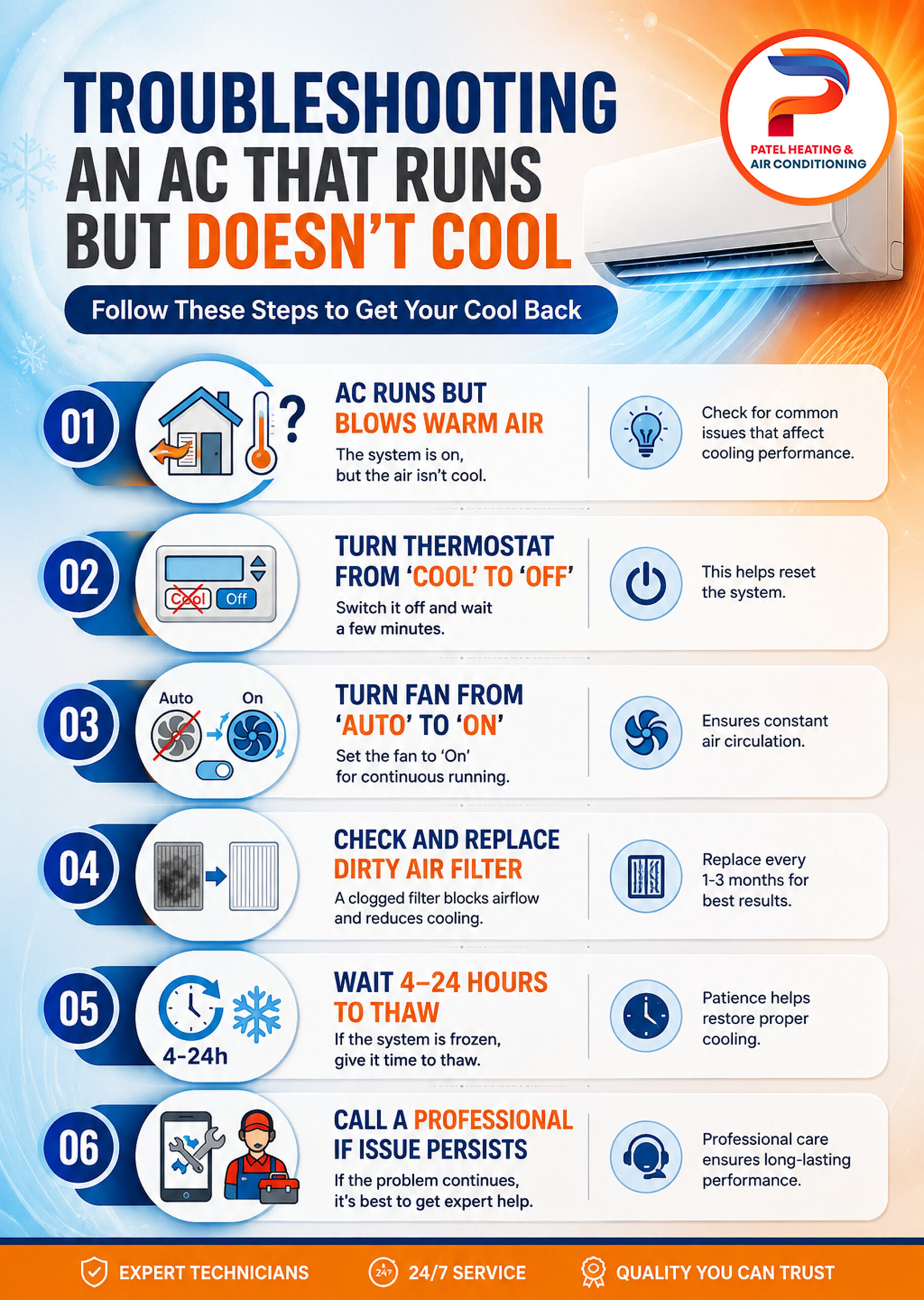
    Step 1: Shut Down the Cooling Cycle

    Walk to your thermostat immediately and switch the system from ‘Cool’ to ‘Off’. Stopping the demand for cooling is absolutely critical. If the coil is frozen, continuing to demand cold air will only build a thicker block of ice and risk destroying the compressor via liquid refrigerant flowback. If the drain is clogged, stopping the cooling cycle stops the production of condensation, preventing any further water from backing up into the drain pan.

    Step 2: Run the Fan to Accelerate Thawing

    Once the cooling cycle is entirely off, look for the fan setting on your thermostat. Switch it from ‘Auto’ to ‘On’. By forcing the indoor blower fan to run continuously while the outdoor compressor remains off, you are pulling the ambient warm air from your home and pushing it over the frozen evaporator coil. This ambient air acts as a safe, gentle heat source that helps melt the ice block much faster than leaving it to thaw passively.

    Step 3: Inspect the Air Filter

    While the system is thawing, locate your return air filter. Pull it out and hold it up to a light source. If you cannot see light shining through the material, the filter is severely clogged and must be replaced. A filter caked with dust and pet hair is the number one cause of restricted airflow and frozen coils. Replacing it restores the baseline airflow necessary for the system to function. Keeping up with routine AC maintenance and changing your filter every 30 to 90 days is the best defense against this specific failure.

    Important Safety Warning: Never attempt to chip away ice from the delicate aluminum fins of the evaporator coil with a tool, as you will puncture the pressurized refrigerant lines. Furthermore, never attempt to unclog deep drain lines with harsh chemical drain cleaners, and never handle refrigerant yourself. These tasks require professional tools and licensing.

    Frequently Asked Questions About Mid-Summer AC Failures

    When a cooling system fails during a humid mid-summer in Southern Ontario, homeowners often have the same pressing concerns. Below are the definitive answers to the most common questions regarding airflow drops and system freezing, helping you understand the mechanics of your home comfort system while enhancing your indoor air quality through proper maintenance.

    Why is my AC fan running but the air is warm?

    The indoor blower fan is circulating air through your ductwork, but the outdoor compressor has stopped actively cooling that air. This disconnect usually happens due to an automated safety shutoff, a completely frozen evaporator coil blocking heat transfer, or an electrical failure at the outdoor unit. The fan continues to run because it operates on a separate circuit from the cooling machinery.

    What causes an AC evaporator coil to freeze in high humidity?

    Restricted airflow prevents the system from properly absorbing heat from your home, causing the internal temperature of the coil to drop below freezing. In high humidity, the massive amount of condensation pulled from the sticky indoor air freezes instantly upon contact with the cold metal. This creates a cascading effect where the ice further blocks airflow, causing the system to freeze solid very quickly.

    Should I turn off my AC if it is not cooling?

    Yes, you must immediately turn the cooling function off at the thermostat to prevent severe mechanical damage to the compressor. However, you should leave the fan setting to ‘On’ rather than ‘Auto’. This stops the unit from trying to cool while using the ambient room air to help safely thaw any ice buildup inside the ductwork.

    How do I fix an AC that is running but not cooling?

    Start by turning the cooling cycle off to allow the system to thaw, and immediately check and replace a dirty air filter. If you restore airflow and the system still blows warm air after a few hours, professional diagnostics are required. You likely have a slow refrigerant leak or a deep condensate drain clog that requires specialized tools to resolve.

    Will a frozen AC coil stop it from cooling entirely?

    Yes, a frozen coil acts as a solid physical barrier inside your air handler. It completely blocks warm return air from passing through the cooling fins, meaning no heat exchange can take place. The blower fan will simply push the uncooled air around the ice block and back into your home, resulting in warm air at the vents.

    How long does it take for a frozen AC coil to thaw?

    It typically takes anywhere from 4 to 24 hours for a frozen evaporator coil to completely thaw, depending on the severity of the ice buildup and the ambient indoor temperatures. Running the fan continuously will speed up this process, but you must wait until the ice is entirely gone before attempting to turn the cooling cycle back on.

    Fast, Professional Diagnostics When You Need Them Most

    If you have shut down your system, replaced a dirty filter, and allowed ample time for any internal ice to thaw, yet the vents are still blowing warm air, you are likely dealing with a more complex mechanical failure. Issues like slow refrigerant leaks, failing blower motors, or deeply impacted condensate drain lines cannot be resolved with basic troubleshooting. Attempting to handle pressurized refrigerant or clear out sensitive plumbing without proper licensing often leads to further damage and voided warranties.

    Another local resident recently found their air conditioner was not working properly right when they needed it most. Gord and our team arrived quickly, diagnosing the complex airflow drop and getting the system running quietly and efficiently again. Metropolitan Heating & Air Conditioning’s expertise in diagnosing complex airflow issues quickly during peak summer heatwaves ensures you are never left waiting in discomfort. If your system is struggling to keep up, rely on professional cooling services to restore your home’s comfort safely, accurately, and efficiently.

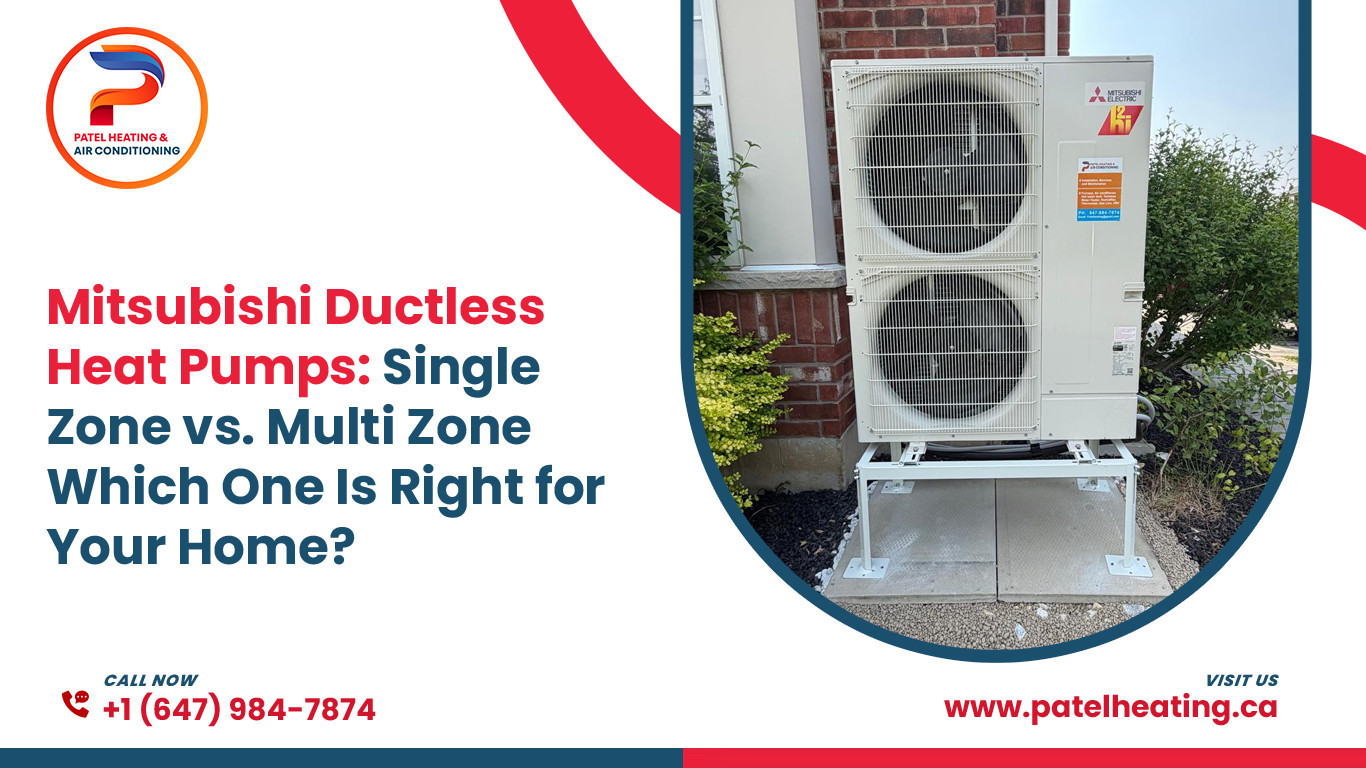
  • Mitsubishi Ductless Heat Pumps: Single Zone vs. Multi Zone โ€” Which One Is Right for Your Home?

    Mitsubishi Ductless Heat Pumps: Single Zone vs. Multi Zone โ€” Which One Is Right for Your Home?

    When it comes to ductless heating and cooling, the name carries as much trust and reputation as Mitsubishi Electric. Known for industry-leading efficiency, cold-climate performance, and whisper-quiet operation, Mitsubishi ductless heat pumps (often called mini-splits) are a top choice for homeowners looking to upgrade their comfort without the cost and disruption of traditional ductwork.

    But before you invest, there’s an important decision to make: single zone or multi zone? Understanding the difference will help you choose the system that best fits your home, your budget, and your comfort goals.

    What Makes Mitsubishi Ductless Systems Stand Out?

    Mitsubishi‘s ductless heat pumps use advanced inverter-driven compressor technology, which adjusts output in real time rather than simply switching on and off. This means:

    • โ— Precise temperature control with minimal fluctuation
    • โ— Lower energy consumption compared to conventional systems
    • โ— Reliable heating performance even in extreme cold, thanks to Mitsubishi‘s Hyper-Heating (H2i) technology
    • โ— Quiet operation, both indoors and outdoors
    • โ— Advanced filtration for cleaner indoor air

    The core difference between product lines comes down to how many indoor units (and rooms) a single outdoor condenser can support โ€” this is where single zone and multi zone systems diverge.

    Single Zone Systems: Focused Comfort for One Space

    A single zone Mitsubishi ductless system pairs one outdoor unit with one indoor. It’s designed to heat and cool a specific area independently of the rest of the home.


    Best For:

    • โ— A single room addition or renovation
    • โ— A garage, workshop, or home office
    • โ— A basement that runs colder than the rest of the house
    • โ— A sunroom or three-season room used year-round
    • โ— Supplementing an existing furnace/AC in one problem room

    Key Advantages:

    • โ— Simpler installation โ€” typically faster and more affordable than multi zone setups
    • โ— Dedicated capacity โ€” the full output of the outdoor unit is devoted to one space, delivering strong, responsive heating and cooling
    • โ— Great entry point for homeowners testing out ductless technology before expanding

    Multi Zone Systems: Whole-Home Flexibility

    A multi zone Mitsubishi system connects one outdoor condenser to multiple indoor units โ€” typically two to eight, depending on the model โ€” with each zone controlled independently.

    Best For:

    • โ— Homes without any existing ductwork
    • โ— Multi-room additions or full-home comfort upgrades
    • โ— Households where different family members prefer different temperatures
    • โ— Older homes needing a full heating/cooling overhaul
    • โ— Homeowners wanting to consolidate multiple standalone units into one efficient system

    Key Advantages:

    • โ— Independent zone control โ€” each room’s indoor unit can be set to its own temperature and schedule
    • โ— Space-saving design โ€” one outdoor unit serves several rooms, reducing exterior equipment clutter
    • โ— Energy efficiency at scale โ€” only heat or cool the zones actually in use, rather than conditioning the whole house at once
    • โ— Design flexibility โ€” mix and match indoor unit styles (wall-mounted, ceiling cassette, floor-standing, ducted) to suit each room’s layout

    Single Zone vs. Multi Zone: Quick Comparison

    FeatureSingle ZoneMulti Zone
    Outdoor units11
    Indoor units12-8
    Best forOne room/spaceMultiple rooms/whole home
    Installation costLowerHigher, but consolidates equipment
    Zone controlN/A (one space)Independent per room
    Ideal use caseAdditions, garages, basementsFull-home or multi-room comfort

    How to Decide Which System Fits Your Home

    Ask yourself:

    1. How many rooms do I need to heat or cool? One space points to single zone; several points to multi multi-zone.
    2. Do I already have a working furnace and AC? A single zone unit might simply supplement your existing system in a problem room.
    3. What’s my budget? Single zone systems are generally more affordable upfront, while multi zone systems offer better long-term value when several rooms need coverage.
    4. Do different rooms have different comfort needs? Multi zone systems let everyone set their own temperature.

    The right choice ultimately depends on your home’s layout, existing HVAC setup, and comfort priorities โ€” and that’s where a professional assessment makes all the difference.

    Get Expert Guidance from Patel Heating and Air Conditioning

    Choosing between a single zone and multi zone Mitsubishi ductless heat pump โ€” and sizing it correctly โ€” is best done with the help of an experienced local installer. At Patel Heating and Air Conditioning, we help Brampton-area homeowners select, install, and maintain Mitsubishi ductless systems tailored to their exact needs, ensuring maximum comfort and efficiency in every season.

    Get in touch today:

    ๐Ÿ“ž Call: +1 (647) 984-7874

    ๐Ÿ“ง Email: patelheating@gmail.com

    ๐ŸŒ Website: www.patelheating.ca

    Whether you need comfort in one room or across your entire home, Mitsubishi ductless heat pumps โ€” installed by Patel Heating โ€” deliver reliable, energy-efficient performance you can count on year-round.

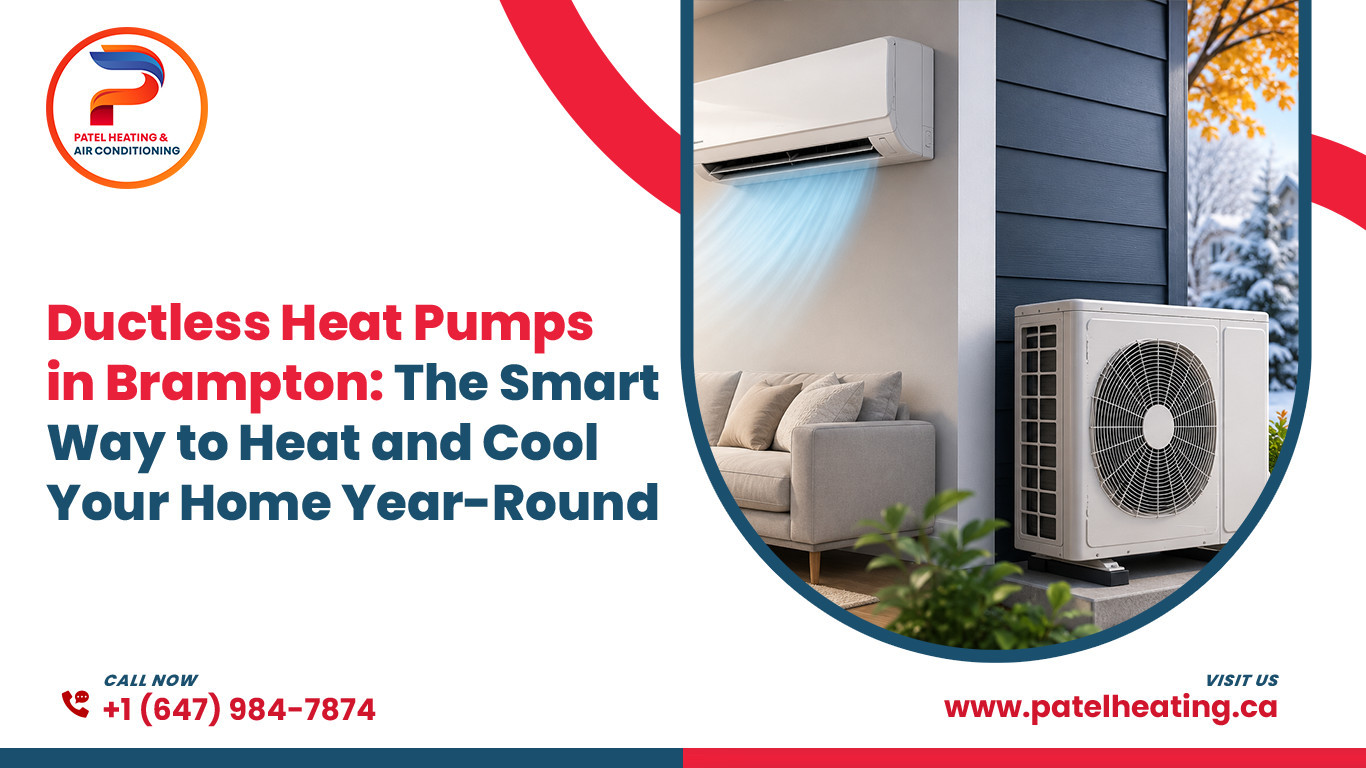
  • Ductless Heat Pumps in Brampton: The Smart Way to Heat and Cool Your Home Year-Round

    Ductless Heat Pumps in Brampton: The Smart Way to Heat and Cool Your Home Year-Round

    Brampton homeowners know the drill โ€” sweltering, humid summers followed by long, bitter winters. Keeping a home comfortable through both extremes usually means running two separate systems: a furnace for winter and a central air conditioner for summer. But there’s a smarter, more efficient option that’s rapidly gaining popularity across the GTA โ€” the ductless heat pump, also known as a ductless mini-split system.

    If you’ve been researching ways to lower your energy bills, add comfort to a room without existing ductwork, or simply upgrade to a more modern HVAC solution, here’s everything you need to know about ductless heat pumps in Brampton.

    What Is a Ductless Heat Pump?

    A ductless heat pump is a two-in-one heating and cooling system made up of an outdoor compressor unit and one or more indoor wall-mounted (or ceiling/floor-mounted). Unlike traditional forced-air systems, there’s no need for bulky ductwork running through your walls and ceilings. Instead, refrigerant lines connect the indoor and outdoor units through a small hole in the exterior wall.

    The “heat pump” part means the system doesn’t just cool โ€” it also heats. During the winter, it extracts heat energy from the outdoor air (yes, even cold air) and transfers it indoors. In the summer, the process reverses, pulling heat out of your home to keep things cool.

    Why Ductless Heat Pumps Make Sense for Brampton Homes

    1. Built for Ontario’s Climate

    Modern cold-climate heat pumps are engineered to perform efficiently even when temperatures drop well below freezing โ€” a must-have for Brampton winters. Many units continue operating effectively down to -25ยฐC or lower, making them a reliable primary or supplemental heating source.

    2. Lower Energy Bills

    Heat pumps move heat rather than generate it through combustion or resistance, which makes them significantly more energy-efficient than electric baseboard heaters or older furnaces. For Brampton homeowners looking to cut monthly utility costs, this efficiency adds up fast โ€” especially with rising energy prices in Ontario.

    3. No Ductwork Required

    This is a game-changer for older Brampton homes, additions, basements, garages, or sunrooms that were never fitted with ducts. Installing a ductless system avoids the cost, mess, and disruption of adding ductwork, while still delivering targeted, room-by-room comfort.

    4. Zoned Comfort, Room by Room

    Each indoor unit can be controlled independently, so you can heat or cool only the rooms you’re using. This “zoning” capability means no more fighting over the thermostat โ€” the bedroom can stay cool while the living room stays warm, all at the same time.

    5. Improved Indoor Air Quality

    Ductless systems use multi-stage filtration to reduce dust, pollen, bacteria, and other airborne particles. Since there’s no ductwork, there’s also no risk of dust and allergens accumulating and recirculating through a duct system โ€” a real benefit for households with allergy or asthma concerns.

    6. Access to Rebates and Incentives

    Ontario and federal programs periodically offer rebates for switching to energy-efficient heat pump systems. A local Brampton HVAC contractor can help you determine what incentives you currently qualify for, which can significantly offset installation costs.

    Is a Ductless Heat Pump Right for Your Home?

    Ductless mini-splits are a great fit for:

    • Additions and renovations where extending ductwork isn’t practical
    • Older homes with no existing duct system
    • Basements that tend to run cold or need independent temperature control
    • Garages and workshops used year-round
    • Homeowners looking to supplement an existing furnace with efficient, zoned comfort

    Choosing the Right System and Installer

    Not all heat pumps are created equal, and proper sizing and installation make a huge difference in performance and longevity. Factors like the size of your home, insulation levels, number of zones needed, and your household’s heating/cooling habits all play a role in choosing the right unit.

    Working with an experienced, local Brampton HVAC technician ensures your system is sized correctly, installed to manufacturer specifications, and set up to maximize both comfort and energy savings โ€” while also making sure you don’t miss out on available rebates.

    Ready to Upgrade Your Brampton Home?

    If you’re considering a ductless heat pump for your Brampton home, Patel Heating & Air Conditioning can help you find the right system for your space and budget, handle professional installation, and answer any questions about maintenance, rebates, or energy savings.

    Get in touch today:

    ๐Ÿ“ž Call: +1 (647) 984-7874

    ๐Ÿ“ง Email: patelheating@gmail.com

    ๐ŸŒ Website: www.patelheating.ca

    Stay comfortable all year round โ€” winter and summer โ€” with a ductless heat pump system built for Brampton’s climate.

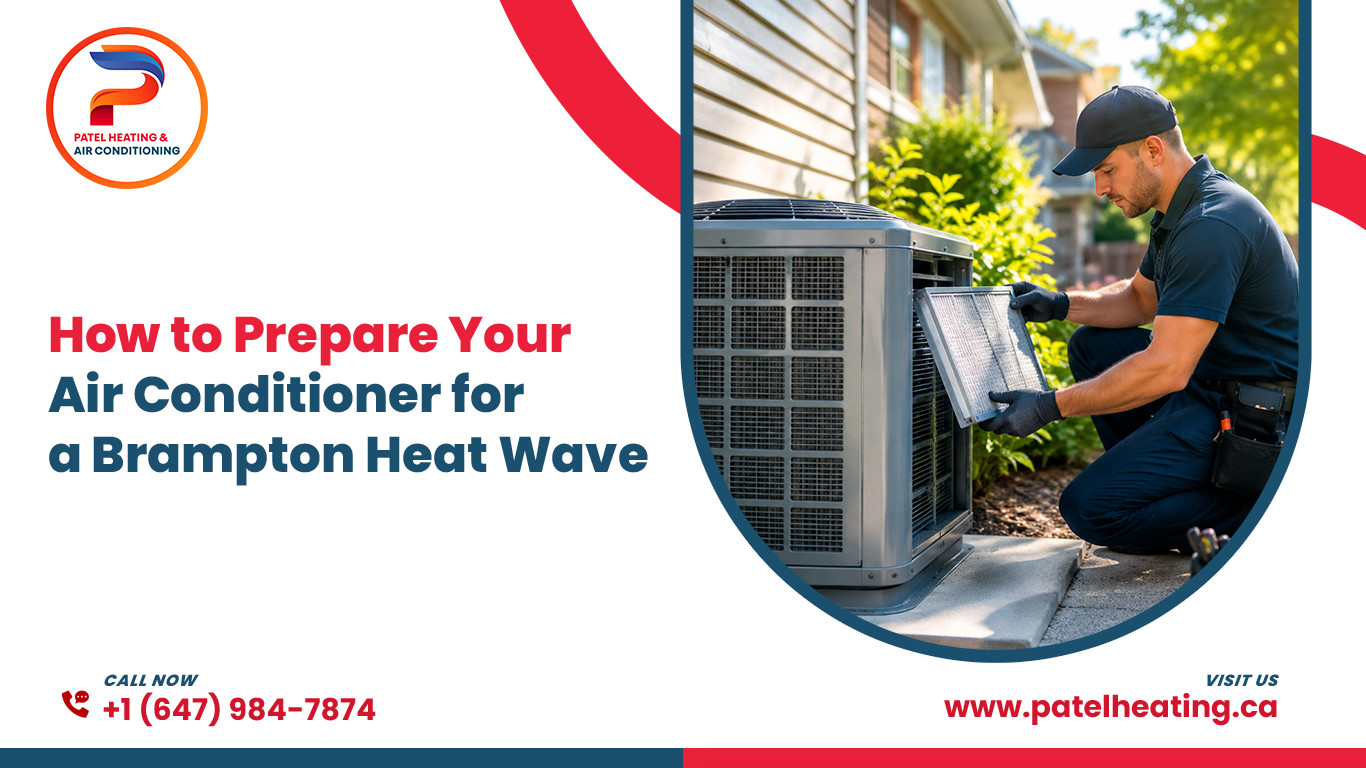
  • How to Prepare Your Air Conditioner for a Brampton Heat Wave

    How to Prepare Your Air Conditioner for a Brampton Heat Wave

    When a summer heat wave hits Brampton, your air conditioner becomes one of the most important systems in your home. The best time to prepare your AC is before temperatures climb above 30ยฐC, not when your home is already uncomfortable.

    At Patel Heating & Air Conditioning, we see a significant increase in emergency AC repair calls during July and August. In many cases, homeowners notice warning signs weeks earlier but delay maintenance until the system stops working.

    This guide explains how to prepare your air conditioner before a heat wave, what to do during extreme temperatures, and when it’s time to call a professional HVAC technician.

    Table of Contents

    • โ— Why AC Preparation Matters
    • โ— Pre-Heat Wave AC Checklist
    • โ— Tips During a Brampton Heat Wave
    • โ— Signs Your AC Needs Immediate Repair
    • โ— What to Do If Your AC Is Struggling
    • โ— Book Professional AC Service in Brampton

    Why Preparing Your AC Before a Heat
    Wave Is Important

    During extreme summer temperatures, your air conditioner may run continuously for hours. A well-maintained system can handle the extra workload, while a neglected unit may experience:

    • โ— Reduced cooling performance
    • โ— Higher electricity bills
    • โ— Frozen evaporator coils
    • โ— Compressor failure
    • โ— Complete system breakdown

    Preventative maintenance helps improve efficiency, lower energy costs, and reduce the chances of expensive repairs during peak summer.

    Pre-Heat Wave AC Checklist

    1. Replace Your Air Filter

    A dirty air filter restricts airflow and forces your air conditioner to work much harder.
    Check your filter every 1โ€“3 months during cooling season.


    Replace it immediately if:

    • โ— It looks dirty
    • โ— Light cannot pass through it
    • โ— It’s been over 90 days since replacement

    A clean filter improves airflow, indoor air quality, and cooling efficiency.

    2. Clean Around the Outdoor Condenser Unit

    Your outdoor AC unit needs proper airflow to release heat efficiently.

    Before summer:

    • โ— Remove leaves and debris
    • โ— Trim grass and bushes
    • โ— Maintain at least 2 feet of clearance
    • โ— Never place objects on top of the condenser

    Blocked airflow can reduce cooling performance and increase energy consumption.

    3. Inspect the Condensate Drain Line

    Your AC removes moisture from indoor air.

    A clogged drain line may cause:

    • โ— Water leaks
    • โ— Overflowing drain pans
    • โ— System shutdown
    • โ— Water damage

    If the drain isn’t flowing properly, schedule professional cleaning before the hottest days arrive.

    4. Test Your Thermostat

    Ensure your thermostat is working accurately.

    Helpful settings include:

    • โ— Program cooling before outdoor temperatures peak.
    • โ— Keep your home between 22ยฐCโ€“24ยฐC for comfort and efficiency.
    • โ— Upgrade to a smart thermostat for better energy savings.

    Pre-cooling your home in the morning reduces stress on your AC during the afternoon.

    5. Schedule a Professional AC Tune-Up

    An annual maintenance visit includes:

    • โ— Refrigerant level inspection
    • โ— Electrical safety checks
    • โ— Coil cleaning
    • โ— Thermostat calibration
    • โ— Airflow testing
    • โ— Drain inspection
    • โ— Overall performance evaluation

    Routine maintenance helps detect small problems before they become expensive repairs.

    Tips During a Brampton Heat Wave

    Once temperatures rise, help your air conditioner perform more efficiently by following these simple tips.

    Keep Blinds and Curtains Closed


    Direct sunlight increases indoor temperatures significantly.
    Close blinds on:

    • โ— South-facing windows
    • โ— West-facing windows

    especially during the afternoon.

    Keep Interior Doors Open
    Open doors improve airflow throughout your home and prevent certain rooms from becoming excessively warm.


    Avoid Heat-Producing Appliances


    During the hottest part of the day, reduce indoor heat by limiting:

    • โ— Oven use
    • โ— Dryer use
    • โ— Dishwashers
    • โ— Long hot showers

    Avoid Constant Thermostat Adjustments

    Setting your thermostat much lower won’t cool your home faster.


    Instead:

    • โ— Leave it at a consistent temperature.
    • โ— Allow the AC to operate steadily.

    Frequent changes only increase energy consumption.

    Signs Your Air Conditioner Needs Immediate Service

    Contact an HVAC technician if you notice any of these warning signs.

    Your Home Isn’t Cooling Properly

    If your AC runs continuously but indoor temperatures keep rising, there may be problems with:

    • โ— Refrigerant levels
    • โ— Airflow
    • โ— Compressor performance

    Warm Air Coming From Vents

    Your system should deliver cool air consistently.


    Warm airflow often indicates:

    • โ— Refrigerant leaks
    • โ— Compressor issues
    • โ— Electrical faults

    Ice on Refrigerant Lines

    Ice buildup usually indicates restricted airflow or refrigerant problems.
    Turn the system off and schedule professional service.

    Strange Sounds

    Listen for:

    • โ— Grinding
    • โ— Buzzing
    • โ— Clicking
    • โ— Rattling

    Unusual noises should never be ignored.

    Water Around the Indoor Unit

    Water leaks often result from blocked drain lines or frozen evaporator coils.
    Prompt repair can prevent water damage inside your home.

    What to Do If Your AC Is Struggling During
    a Heat Wave

    If your air conditioner is still operating but having difficulty keeping up:

    • โ— Replace the air filter if needed.
    • โ— Keep blinds closed throughout the day.
    • โ— Minimize indoor heat sources.
    • โ— Use ceiling fans to improve air circulation.
    • โ— Avoid lowering the thermostat excessively.
    • โ— Schedule professional service before the system fails completely.

    Waiting until the AC stops working could result in longer repair wait times during peak summer demand.

    Why Choose Patel Heating & Air Conditioning?

    Our licensed HVAC technicians provide reliable cooling solutions for homeowners throughout Brampton and the Greater Brampton Area.

    We offer:

    โ— AC Repairs
    โ— AC Installation
    โ— Seasonal AC Tune-Ups
    โ— Emergency Air Conditioner Service
    โ— Smart Thermostat Installation
    โ— Energy-Efficient Cooling Solutions
    โ— Honest Pricing
    โ— Licensed & Experienced Technicians

    Patel Heating & Air Conditioning proudly serves:

    • โ— Brampton
    • โ— Mississauga
    • โ— Vaughan
    • โ— Milton
    • โ— Oakville
    • โ— Burlington
    • โ— Georgetown
    • โ— Caledon
    • โ— Greater Toronto Area (GTA)

    Call Today: +1 (647) 984-7874
    Website: www.patelheating.ca

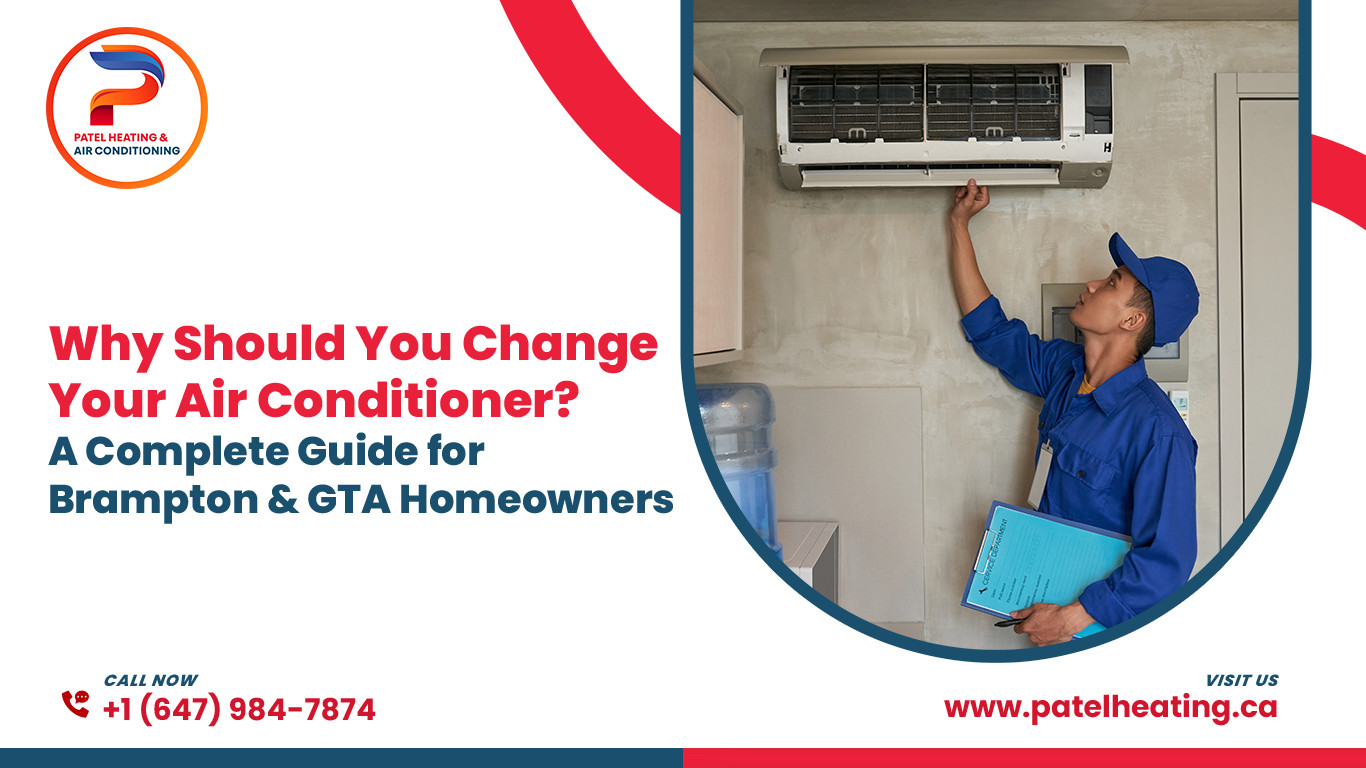
  • Why Should You Change Your Air Conditioner? AComplete Guide for Brampton & GTA Homeowners

    Why Should You Change Your Air Conditioner? AComplete Guide for Brampton & GTA Homeowners

    Is It Time to Replace Your Air Conditioner?

    Your air conditioner plays a vital role in keeping your home comfortable during the hot summers in Brampton and across the Greater Toronto Area (GTA). However, like any mechanical system, an AC unit has a limited lifespan. If your cooling system is struggling to keep your home comfortable, constantly breaking down, or causing your energy bills to rise, it may be time for an upgrade.

    In this guide, we’ll explain the most common reasons to replace your air conditioner, the benefits of installing a modern energy-efficient system, and how homeowners in Brampton can make the best long-term investment.


    1. Your Air Conditioner Is More Than 10โ€“15 Years Old

    Most residential air conditioners last between 10 and 15 years with proper maintenance. As the system ages:

    • โœ”ย Components begin to wear out.
    • โœ”ย Cooling performance decreases.
    • โœ”ย Repairs become more frequent.
    • โœ”ย Energy efficiency drops significantly.

    Newer air conditioners use advanced inverter technology, variable-speed compressors, and smart thermostats that deliver superior comfort while consuming less electricity.


    2. Your Energy Bills Keep Increasing

    Have you noticed your electricity bill climbing every summer?

    Older AC units require more power to produce the same amount of cooling. Dust buildup, worn compressors, aging coils, and outdated technology all contribute to higher operating costs.

    Replacing your old unit with a high-efficiency model can:

    • โœ”ย Reduce monthly cooling costs
    • โœ”ย Improve energy efficiency
    • โœ”ย Lower your home’s carbon footprint
    • โœ”ย Increase overall comfort

    Many ENERGY STARยฎ certified systems available in Canada offer excellent long-term savings.


    3. Frequent Repairs Are Becoming Expensive

    If you’re calling an HVAC technician every summer, replacement may be the smarter financial decision.

    Common repair issues include:

    • โœ”ย Refrigerant leaks
    • โœ”ย Compressor failure
    • โœ”ย Fan motor replacement
    • โœ”ย Electrical issues
    • โœ”ย Frozen evaporator coils
    • โœ”ย Capacitor failure
    • โœ”ย Contactor failure

    A good rule of thumb is:

    If the repair cost exceeds 30โ€“40% of the value of a new air conditioner, replacement is usually the better investment.


    4. Uneven Cooling Throughout Your Home

    Does one room feel freezing while another remains warm?

    This could indicate:

    • โœ”ย Aging equipment
    • โœ”ย Poor airflow
    • โœ”ย Weak compressor performance
    • โœ”ย Incorrect system sizing

    Modern air conditioners provide:

    • โœ”ย More consistent temperatures
    • โœ”ย Better airflow
    • โœ”ย Improved humidity control
    • โœ”ย Quieter operation

    Homeowners in Brampton often notice an immediate improvement in indoor comfort after replacing an outdated system.


    5. Strange Noises or Bad Odours

    Unusual sounds are often warning signs that major components are wearing out.

    Common noises include:

    • โœ”ย Grinding
    • โœ”ย Screeching
    • โœ”ย Banging
    • โœ”ย Rattling
    • โœ”ย Buzzing

    Musty or burning smells may indicate:

    • โœ”ย Electrical problems
    • โœ”ย Mold growth
    • โœ”ย Dirty evaporator coils
    • โœ”ย Damaged insulation

    Ignoring these signs can lead to costly breakdowns.


    6. Your AC Uses R-22 Refrigerant

    Many older air conditioners use R-22 refrigerant (Freon).

    Because R-22 has been phased out due to environmental regulations, it has become:

    • โœ”ย Difficult to source
    • โœ”ย Much more expensive
    • โœ”ย Less practical to repair

    If your system still uses R-22, replacing it with a newer environmentally friendly refrigerant system is often the most cost-effective option.


    7. Poor Indoor Air Quality

    Your air conditioner does more than cool your home.

    It also helps:

    • โœ”ย Filter dust
    • โœ”ย Reduce pollen
    • โœ”ย Control humidity
    • โœ”ย Remove airborne particles

    Older systems often struggle to maintain healthy indoor air quality.

    New HVAC systems support advanced filtration options, UV purification, and smart air quality controls that benefit families with allergies or asthma.


    8. You’re Planning to Sell Your Home

    A modern HVAC system is an attractive feature for potential buyers.

    Benefits include:

    • โœ”ย Higher property value
    • โœ”ย Better home inspection results
    • โœ”ย Increased buyer confidence
    • โœ”ย Improved energy efficiency ratings

    Replacing an outdated AC before listing your property can make your home more competitive in the Brampton real estate market.


    9. Your Air Conditioner Runs Constantly

    If your AC never seems to shut off, it may be:

    • โœ”ย Losing efficiency
    • โœ”ย Incorrectly sized
    • โœ”ย Experiencing compressor problems
    • โœ”ย Struggling with worn components

    Continuous operation increases:

    • โœ”ย Electricity consumption
    • โœ”ย Equipment wear
    • โœ”ย Risk of system failure

    A properly sized modern system cools your home faster while using less energy.


    10. You Want Smart Home Features

    Today’s air conditioners offer technology that older units simply cannot provide.

    Features include:

    • โœ”ย Wi-Fi thermostat compatibility
    • โœ”ย Smartphone control
    • โœ”ย Programmable schedules
    • โœ”ย Energy usage monitoring
    • โœ”ย Variable-speed operation
    • โœ”ย Quieter performance

    These upgrades provide greater convenience while helping reduce monthly utility costs.


    Benefits of Replacing Your Air Conditioner

    Installing a new high-efficiency air conditioner provides many advantages:

    • โœ”ย Lower energy bills
    • โœ”ย Better cooling performance
    • โœ”ย More consistent indoor temperatures
    • โœ”ย Improved humidity control
    • โœ”ย Cleaner indoor air
    • โœ”ย Quieter operation
    • โœ”ย Fewer repairs
    • โœ”ย Longer equipment lifespan
    • โœ”ย Increased home value
    • โœ”ย Greater environmental sustainability

    How Often Should You Replace an Air Conditioner?

    Most HVAC professionals recommend replacing your air conditioner if:

    • โœ”ย It is over 10โ€“15 years old.
    • โœ”ย Repairs are becoming frequent.
    • โœ”ย Cooling performance has declined.
    • โœ”ย Energy costs continue to increase.
    • โœ”ย Your system uses outdated refrigerant.
    • โœ”ย The unit can no longer maintain comfortable indoor temperatures.

    A professional HVAC inspection can help determine whether repair or replacement is the most cost-effective solution.


    Why Brampton & GTA Homeowners Are Upgrading

    The Greater Toronto Area experiences increasingly hot and humid summers, placing heavy demand on residential cooling systems. Many homeowners in Brampton, Mississauga, Milton, Oakville, Caledon, Georgetown, Vaughan, and surrounding communities are replacing older air conditioners with high-efficiency models to reduce energy costs and improve indoor comfort.

    Upgrading to a modern system not only enhances cooling performance but also helps homeowners prepare for future energy-efficiency standards while enjoying quieter operation and improved reliability.


    Professional Air Conditioner Installation in Brampton & GTA

    Choosing the right air conditioner is just as important as selecting a trusted installation company. A properly sized and professionally installed system delivers maximum efficiency, lower operating costs, and long-lasting performance.

    At Patel Heating & Air Conditioning, our experienced technicians provide expert air conditioner replacement and installation services across Brampton and the Greater Toronto Area. We assess your home’s cooling needs, recommend the best energy-efficient system, and ensure a seamless installation for reliable comfort throughout the summer.

    Whether your current AC is aging, inefficient, or frequently breaking down, we’re here to help you find the right solution for your home.

    Call us today at +1 (647) 984-7874 to schedule your free consultation and enjoy dependable, energy-efficient cooling all season long.

  • Professional Air Conditioning Services in Brampton & GTA

    Professional Air Conditioning Services in Brampton & GTA

    When summer temperatures rise across Brampton and the Greater Toronto Area (GTA), a reliable air conditioning system becomes essential for maintaining comfort, indoor air quality, and energy efficiency. Whether you need a new AC installation, emergency repairs, routine maintenance, or a complete system replacement, professional air conditioning services help ensure your home stays cool and comfortable throughout the hottest months of the year.

    Why Professional Air Conditioning Services Matter

    Many homeowners overlook the importance of regular AC maintenance until their system stops working during a heatwave. Professional HVAC technicians can identify potential issues before they become costly repairs, improve energy efficiency, and extend the lifespan of your cooling system. Industry experts recommend regular maintenance to optimize performance, reduce energy consumption, and prevent unexpected breakdowns.ย 

    Benefits of Professional AC Services

    • โœ” Improved cooling performance
    • โœ” Lower energy bills
    • โœ” Better indoor air quality
    • โœ” Reduced risk of costly repairs
    • โœ” Longer equipment lifespan
    • โœ” Consistent temperature control throughout your home
    • โœ” Increased property value

    Regular maintenance and timely repairs can significantly improve the efficiency and longevity of your air conditioning system.ย 


    Comprehensive Air Conditioning Services in Brampton & GTA

    1. Air Conditioner Installation

    Installing a new air conditioning system requires proper sizing, professional setup, and expert calibration. An incorrectly sized unit can lead to poor performance, higher energy bills, and premature wear.

    Professional AC installation services include:

    • โœ” Home cooling load assessment
    • โœ” Energy-efficient system recommendations
    • โœ” Central air conditioner installation
    • โœ” Ductless mini-split installation
    • โœ” Heat pump installation
    • โœ” Smart thermostat integration
    • โœ” System testing and optimization

    Modern high-efficiency air conditioners help homeowners reduce energy consumption while maintaining superior indoor comfort.ย 


    2. Air Conditioner Repair

    If your AC system is blowing warm air, making unusual noises, leaking water, or failing to cool your home effectively, professional repair services can quickly diagnose and resolve the issue.

    Common AC problems include:

    • โœ” Refrigerant leaks
    • โœ” Frozen evaporator coils
    • โœ” Faulty thermostats
    • โœ” Compressor failures
    • โœ” Electrical issues
    • โœ” Clogged drain lines
    • โœ” Restricted airflow

    Experienced HVAC technicians can restore your system’s performance and prevent further damage.ย 


    3. AC Maintenance & Tune-Ups

    Preventive maintenance is one of the most cost-effective ways to protect your investment and avoid unexpected breakdowns.

    A professional AC maintenance service typically includes:

    • โœ” Condenser coil cleaning
    • โœ” Evaporator coil inspection
    • โœ” Refrigerant level checks
    • โœ” Electrical system inspection
    • โœ” Thermostat calibration
    • โœ” Drain line cleaning
    • โœ” Air filter replacement
    • โœ” Performance testing

    Annual maintenance can improve system efficiency, lower operating costs, and keep your cooling system running smoothly throughout the summer season.ย 


    4. Ductless Mini-Split Systems

    Ductless air conditioning systems are becoming increasingly popular across Brampton and the GTA because they provide:

    • โœ” Zoned cooling control
    • โœ” High energy efficiency
    • โœ” Quiet operation
    • โœ” Easy installation
    • โœ” Improved comfort in additions and renovated spaces

    Ductless systems are an excellent solution for homes without existing ductwork.ย 


    5. Emergency AC Services

    Air conditioning failures can happen at any time, especially during extreme summer heat. Many professional HVAC companies offer emergency AC repair services to restore comfort quickly and prevent further system damage.ย 


    Signs Your Air Conditioner Needs Service

    Don’t wait for a complete breakdown. Contact a professional HVAC technician if you notice:

    • โœ” Warm air coming from vents
    • โœ” Weak airflow
    • โœ” Strange noises or odors
    • โœ” Frequent cycling
    • โœ” High electricity bills
    • โœ” Uneven cooling
    • โœ” Water leaks around the unit
    • โœ” Poor humidity control

    Addressing these issues early can save money and extend the life of your system.


    Energy Efficiency and Cost Savings

    Modern air conditioning systems are designed to deliver superior cooling while consuming less electricity. Upgrading to a high-efficiency AC unit can significantly reduce monthly utility costs and improve indoor comfort.

    Additional ways to improve efficiency include:

    • โœ” Installing a programmable thermostat
    • โœ” Regular filter changes
    • โœ” Professional annual maintenance
    • โœ” Proper home insulation
    • โœ” Sealing air leaks around windows and doors

    Routine maintenance remains one of the most important factors in maximizing AC lifespan and efficiency.ย 


    Why Choose Professional Air Conditioning Services in Brampton & GTA?

    Choosing experienced HVAC professionals ensures:

    Certified Technicians

    Skilled experts trained to work on all major AC brands and models.

    Fast Response Times

    Quick diagnosis and repairs when you need them most.

    Transparent Pricing

    Clear estimates with no hidden costs.

    Reliable Workmanship

    Quality installations and repairs backed by warranties.

    Complete HVAC Solutions

    From installation and repairs to maintenance and indoor air quality improvements.


    Service Areas

    Professional air conditioning services are available throughout:

    • Brampton
    • Mississauga
    • Oakville
    • Milton
    • Georgetown
    • Bolton
    • Vaughan
    • Toronto
    • North York
    • Etobicoke
    • Markham
    • Richmond Hill
    • Entire Greater Toronto Area (GTA)

    Final Thoughts

    A properly functioning air conditioning system is essential for staying comfortable during Ontario’s hot and humid summers. Whether you need AC installation, repair, maintenance, or a system upgrade, professional air conditioning services in Brampton and the GTA help ensure reliable cooling, lower energy costs, and long-term system performance.

    Investing in regular maintenance and expert HVAC care today can help you avoid costly breakdowns tomorrow while keeping your home cool and comfortable all season long.

    Need professional air conditioning services in Brampton & GTA? Contact Patel Heating & Air Conditioning for expert AC installation, repair, and maintenance services backed by experienced technicians and reliable customer support.

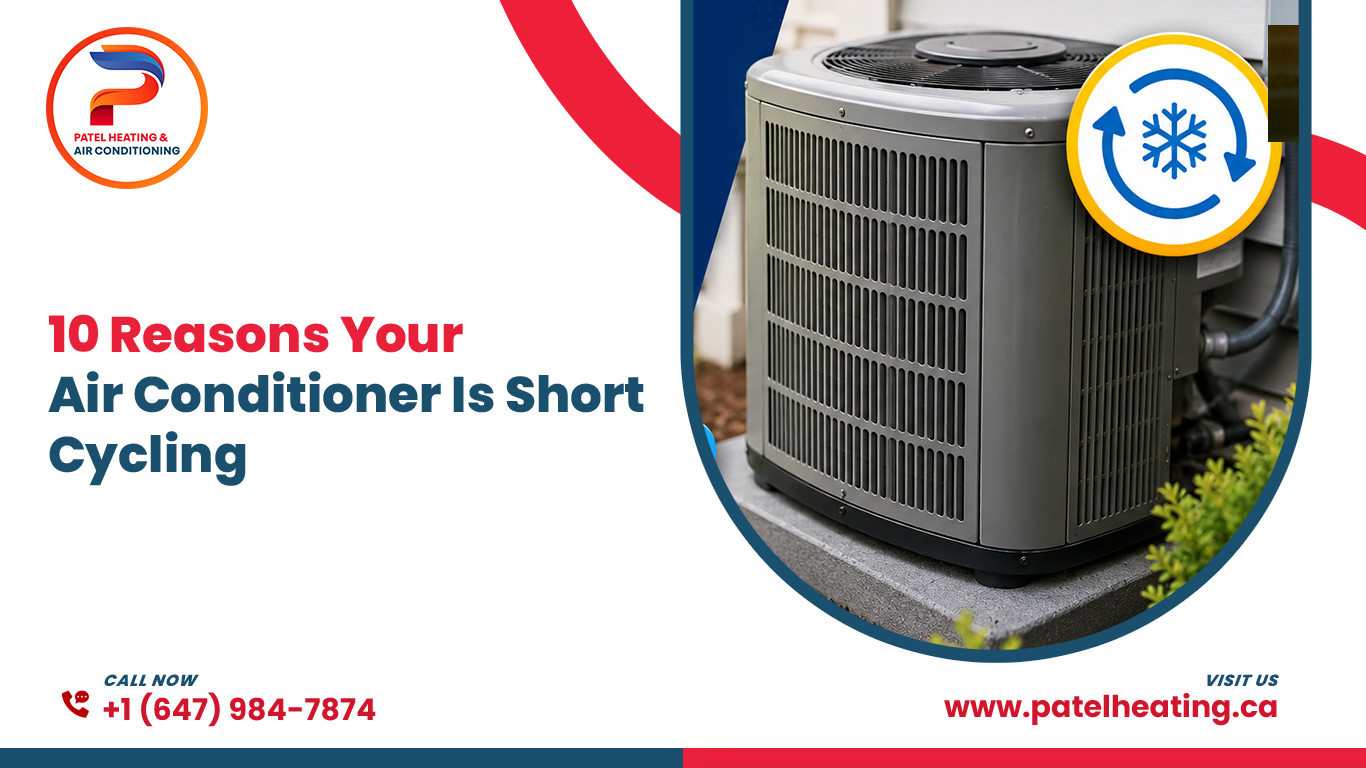
  • 10 Reasons Your Air Conditioner Is Short Cycling

    10 Reasons Your Air Conditioner Is Short Cycling

    Air conditioner short cycling is a common HVAC problem where the system turns on and off frequently without completing a full cooling cycle. This not only reduces comfort but also increases energy consumption, causes unnecessary wear and tear, and can shorten the lifespan of your equipment. Understanding the root cause is the first step toward solving the issue.

    Here are the 10 most common reasons an air conditioner short-cycles.

    1. Thermostat Problems

    The thermostat is the control center of your air conditioning system. If it is not functioning properly, it may send incorrect signals, causing the AC to cycle on and off repeatedly.

    Common thermostat-related issues include:

    • Loose or damaged wiring connections
    • Weak or dying batteries
    • Thermostat installed too close to an air vent, causing false temperature readings
    • A faulty or malfunctioning thermostat

    Regular inspection and proper thermostat placement can help prevent short cycling caused by control issues.


    2. Poor Airflow

    Restricted airflow can cause the system to overheat or create abnormal pressure conditions, forcing the unit to shut down prematurely.

    Two major airflow-related causes are:

    Dirty Air Filter Tripping the LPC

    A clogged air filter restricts airflow across the evaporator coil. This can lead to freezing and low-pressure conditions that trigger the Low-Pressure Control (LPC), causing the system to shut off.

    Plugged A-Coil Tripping the LPC

    A dirty or blocked evaporator (A-coil) reduces airflow and heat transfer. As pressure drops within the system, the LPC may activate and stop the compressor.

    Replacing filters regularly and keeping coils clean are essential maintenance practices.


    3. Low Refrigerant Charge or Refrigerant Restriction

    The refrigerant circuit must maintain proper pressure for efficient operation. Any loss of refrigerant or restriction in the system can lead to short cycling.

    Refrigerant Leak

    Leaks reduce refrigerant levels, causing pressure to drop below normal operating ranges. The system may shut down repeatedly as safety controls activate.

    Restriction in the Metering Device

    A blockage or malfunction in the expansion valve or other metering device can restrict refrigerant flow, resulting in abnormal pressures and repeated cycling.

    A licensed HVAC technician should diagnose and repair refrigerant-related issues.


    4. Oversized Air Conditioner

    An air conditioner that is too large for the space cools the area too quickly. While this may seem beneficial, it actually prevents the system from completing proper cooling cycles.

    Common effects of an oversized AC include:

    • Frequent on-and-off operation
    • Poor humidity control
    • Uneven temperatures
    • Increased energy consumption

    Proper equipment sizing is critical for long-term performance and comfort.


    5. Defective Contactor

    The contactor is an electrical component that controls power to the compressor and condenser fan motor. When it begins to fail, it can cause erratic system operation.

    Signs of a defective contactor include:

    Contactor Coil Failure

    A weakened or damaged coil may not hold the contacts closed consistently.

    Chattering Contacts

    Contacts that rapidly open and close can interrupt power to the compressor, causing repeated cycling.

    Replacing a faulty contactor can restore reliable operation.


    6. Failing Compressor

    The compressor is the heart of the air conditioning system. As it begins to fail, it may struggle to start or maintain operation.

    Symptoms of a failing compressor include:

    • Frequent shutdowns
    • Unusual noises
    • High energy consumption
    • Reduced cooling performance

    Because compressor repairs can be costly, early diagnosis is important.


    7. Bad Condenser Fan Motor

    The condenser fan motor helps remove heat from the outdoor unit. If the motor fails or operates inefficiently, heat can build up within the system.

    This can result in:

    • High-pressure safety shutdowns
    • Overheating components
    • Repeated short cycling

    Routine maintenance can often identify fan motor problems before they become serious.


    8. Faulty Control Board

    Modern air conditioners rely on control boards to manage system functions. A damaged or malfunctioning board may send incorrect commands that cause the unit to start and stop unexpectedly.

    Potential causes include:

    • Electrical surges
    • Moisture damage
    • Component failure
    • Manufacturing defects

    Professional testing is typically required to confirm control board issues.


    9. Plugged Condensate Drain

    The condensate drain removes moisture collected during the cooling process. If the drain becomes clogged, water can back up into the system.

    Many air conditioners are equipped with safety switches that shut the unit down when excess water is detected. This protective feature can create repeated cycling until the blockage is cleared.

    Regular drain maintenance helps prevent this issue.


    10. Fluctuating Power Supply

    An unstable electrical supply can interfere with normal air conditioner operation. Voltage fluctuations may prevent components from running properly, causing the system to cycle on and off.

    Common causes include:

    • Utility power issues
    • Loose electrical connections
    • Undersized wiring
    • Faulty breakers

    An HVAC technician or electrician can identify and correct power-related problems.


    Final Thoughts

    Short cycling is more than just an inconvenienceโ€”it can increase utility costs, reduce comfort, and lead to expensive repairs if left unresolved. The most common causes include thermostat problems, poor airflow, refrigerant issues, oversized equipment, defective contactors, compressor failure, condenser fan motor problems, faulty control boards, clogged condensate drains, and fluctuating power supplies.

    If your air conditioner is short-cycling, addressing the problem early can improve efficiency, extend equipment life, and help maintain consistent indoor comfort.

  • Important Factors to Consider Before Choosing a Central AC for Your Home

    Important Factors to Consider Before Choosing a Central AC for Your Home

    When summer heat hits hard in Brampton, your homeโ€™s comfort depends on one thing: a reliable and efficient central air conditioning system. But choosing the right AC is not only about buying the biggest or most expensive unit. The right system can save you money, improve comfort, reduce noise, and last for many years.

    At Patel Heating and Air Conditioning, we help homeowners across the GTA choose the perfect cooling system for their homes and budgets. If you’re planning to install or replace a central AC, here are the most important things you should know.


    1. Choose the Right AC Size (Capacity)

    One of the biggest mistakes homeowners make is choosing the wrong AC size.

    Air conditioners are measured in:

    • BTU/hr (British Thermal Units per hour)
    • Or โ€œTonsโ€ of cooling

    ๐Ÿ‘‰ 1 ton = 12,000 BTU/hr

    A properly sized AC keeps your home cool, comfortable, and energy efficient.

    What Happens if the AC is Too Small?

    • Struggles to cool your home
    • Runs continuously
    • Higher electricity bills
    • More wear and tear

    What happens if the Air Conditioner is too big for the house?

    • Costs more to buy
    • Turns on and off too often
    • Poor humidity control
    • Shorter system lifespan

    Professional load calculations are the best way to determine the perfect size for your home. Factors like insulation, windows, sunlight exposure, and home layout all matter.


    2. Your Home May Need a Different Size Than Before

    If you’re replacing an old air conditioner, donโ€™t assume you need the same size unit again.

    Your cooling needs may have changed because of:

    • New insulation
    • Energy-efficient windows
    • Home renovations
    • Added rooms or basement finishing

    Modern homes often require less cooling because they are more energy efficient.

    Thatโ€™s why professional evaluation is important before installation.


    3. Look for High Energy Efficiency (SEER Rating)

    The efficiency of an air conditioner is measured by its SEER rating (Seasonal Energy Efficiency Ratio).

    Higher SEER = Lower electricity bills.

    Current Standards in Canada

    • Minimum SEER for new systems: 14
    • ENERGY STARยฎ recommended systems: 15+
    • Premium high-efficiency models: Up to 26 SEER

    Although high-SEER units cost more upfront, they can save you a significant amount on monthly energy bills over time.

    If you want long-term savings, investing in an energy-efficient system is a smart choice.


    4. Donโ€™t Ignore Noise Levels

    Nobody wants a loud AC disturbing sleep or backyard relaxation.

    Modern air conditioners are much quieter than older models, but noise levels still vary from one unit to another.

    Why Quiet Operation Matters

    • Better sleep quality
    • More peaceful outdoor space
    • Improved homeowner satisfaction

    Lower decibel ratings mean quieter performance, especially important if the outdoor unit is installed near:

    • Bedroom windows
    • Patios
    • Neighboring homes

    5. Reliability Matters More Than You Think

    A reliable air conditioner means:

    • Fewer breakdowns
    • Lower repair costs
    • Better long-term performance

    Many homeowners focus only on price, but reliability is one of the most important factors for overall satisfaction.

    Proper installation and regular maintenance play a huge role in extending the life of your system.


    6. Make Sure Thereโ€™s Enough Outdoor Space

    Your outdoor AC unit needs proper airflow to operate efficiently.

    Recommended Clearance:

    • 2โ€“3 feet around the sides
    • 5 feet above the unit

    Keep the area clear of:

    • Plants
    • Fences
    • Decks
    • Storage items

    Good airflow helps:

    • Improve efficiency
    • Prevent overheating
    • Extend system lifespan
    • Make servicing easier

    Local building codes may also regulate how close the unit can be to property lines or windows.


    7. Choosing the Right Contractor is the Most Important Step

    Even the best air conditioner can perform poorly if itโ€™s installed incorrectly.

    Thatโ€™s why choosing an experienced and trustworthy HVAC contractor is critical.

    A professional contractor will:

    • Properly size your AC
    • Recommend energy-efficient options
    • Ensure safe installation
    • Follow local building codes
    • Provide long-term maintenance and support

    Trust the Experts at Patel Heating and Air Conditioning

    Whether you’re installing a brand-new central AC system or replacing an older unit, Patel Heating and Air Conditioning is here to help.

    We proudly serve homeowners across Brampton and the GTA with reliable HVAC solutions, honest advice, and professional service.

    Contact Us Today

    ๐Ÿ“ž +1 (647) 984-7874
    ๐Ÿ“ง patelheating@gmail.com
    ๐ŸŒ www.patelheating.ca

    Stay cool, save energy, and enjoy comfort all summer long with the right central AC system.